Birdwatching in Falces and the Ribera of Navarre
Binoculars at the ready: from the terrace of the house or a short drive away, at some of the best birdwatching spots in Navarre.
The Ribera of Navarre is a prime destination for birdwatching. Riverside woods, cliffs and crags, pine forests, steppes and traditional farmland bring together more than 160 species, both resident and migratory.
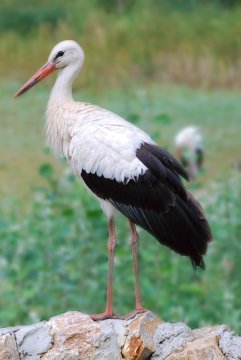
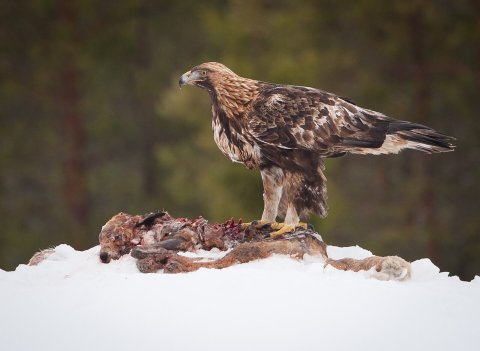
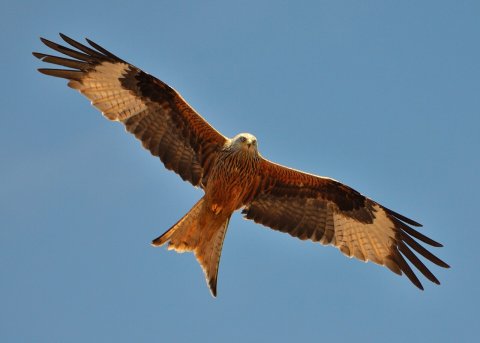
There are three main landscapes for birdwatching: the wetlands and ponds, with herons, night herons and grebes; the riverside woods of the Ebro, with mallards and riverside birds of prey such as the red kite; and the steppes of the Bardenas Reales, home to the pin-tailed sandgrouse, Dupont's lark and the golden eagle. Storks are a classic of riverside woods and fields, and flamingos can be seen passing through the wetlands.
You can enjoy it all year round, but spring and autumn are the best seasons because of the migrations; in winter waterbirds abound. Head out early in the morning or at dusk, when birds are most active. No experience needed: a pair of binoculars, a bird guide, comfortable shoes, silence and keeping your distance are enough. If you come with a dog, always keep it on a lead. In fragile spots such as the Balsa del Pulguer, it's best not to bring it.
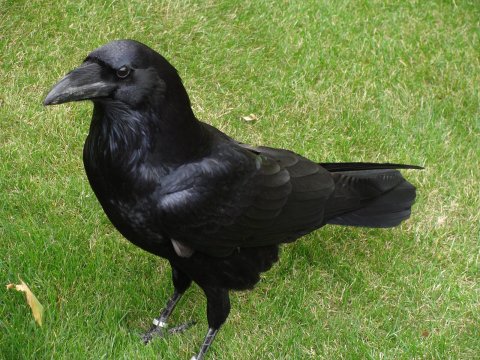
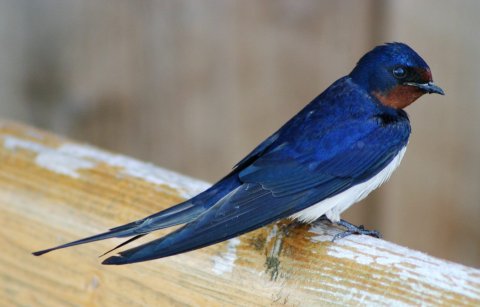
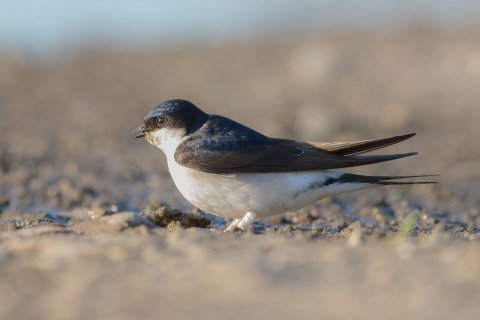
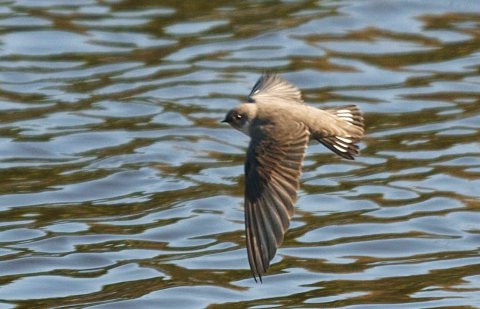
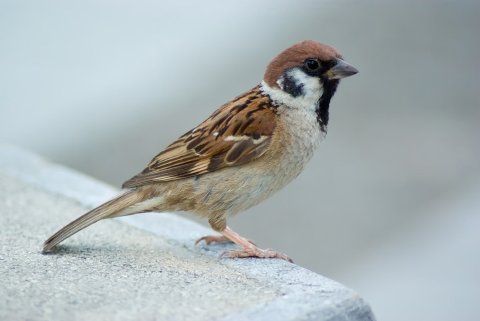
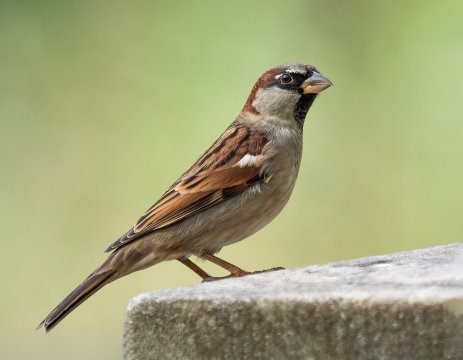
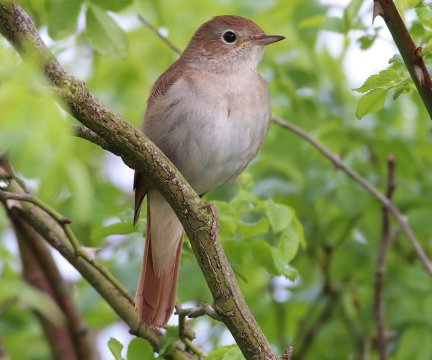
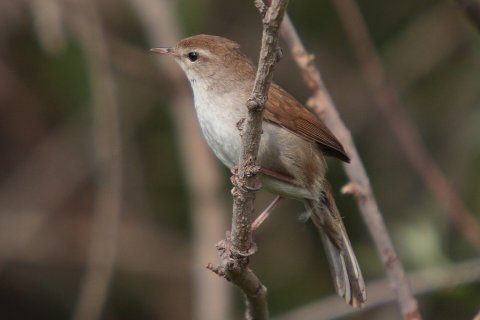
What we can see from the house
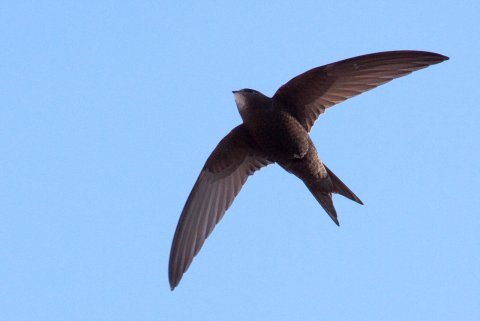
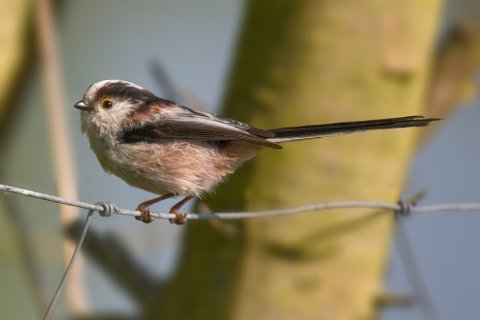
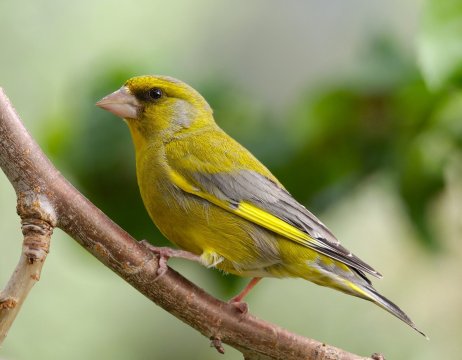
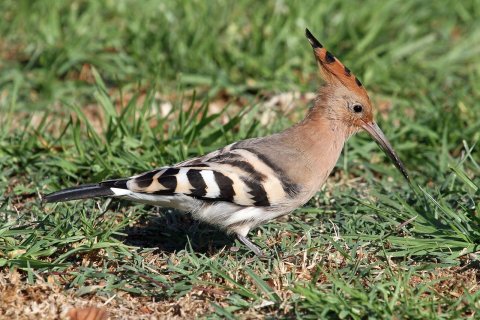
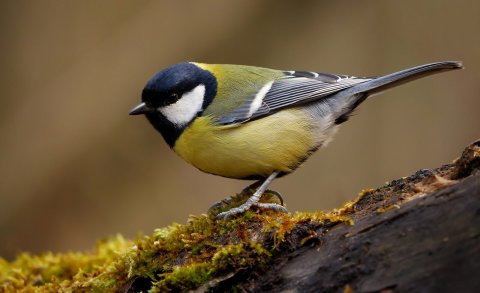
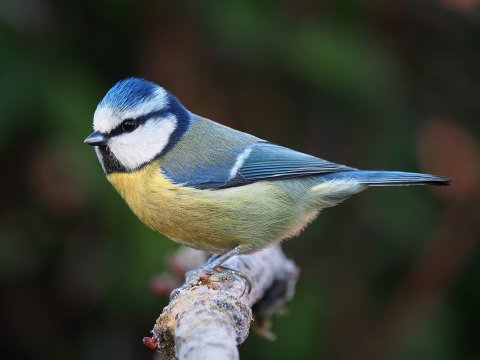
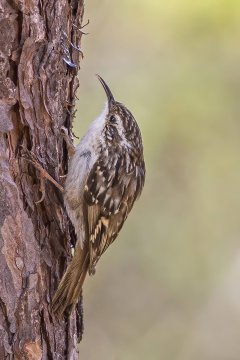
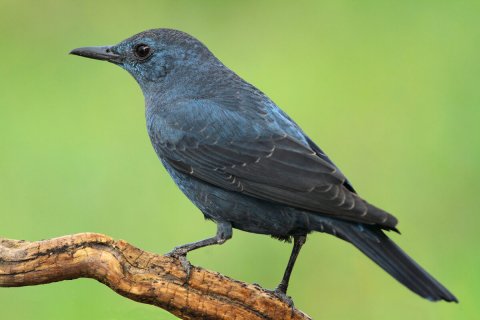
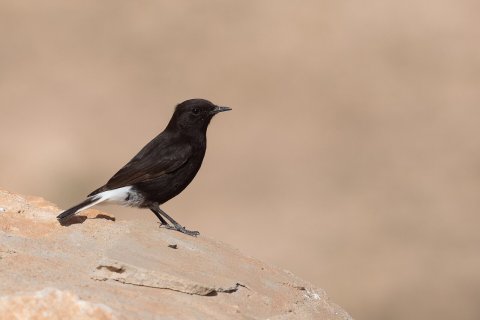
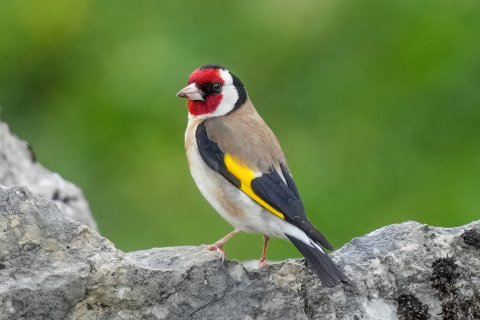
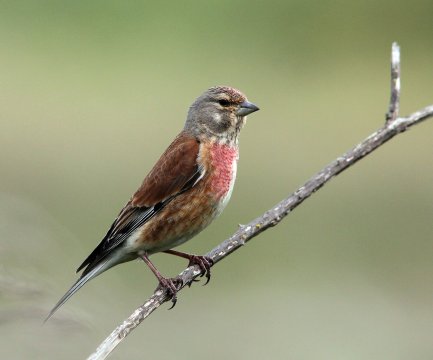
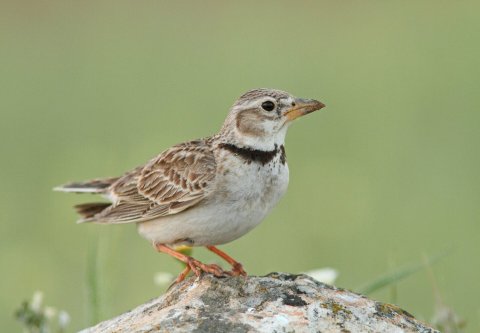
Where to go birdwatching in the Ribera
Places recommended by Ribera de Navarra Tourism. Many have camouflaged hides, information panels and waymarked trails.
💧 Wetlands and ponds
Balsa del Pulguer Nature Reserve
📍 Between Cascante and Tudela
Waymarked trail and camouflaged viewing points. Waterbirds such as the purple heron or the black-crowned night heron. Accessible, with flat paths.
Laguna de Lor
📍 Ablitas
A key stopover for many migratory birds in spring and autumn.
La Estanca de Corella
📍 Corella
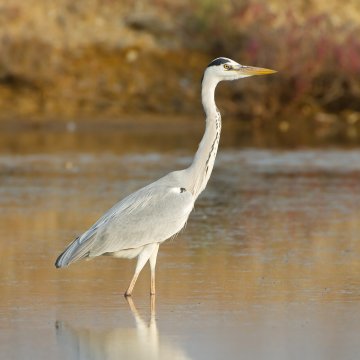
Rich in biodiversity: grey herons, great crested grebes and birds of prey.
La Estanca de Cintruénigo
📍 Cintruénigo
A key spot for migratory birds, with a Nature Interpretation Centre.
🌳 Riverside woods of the Ebro
Soto de Azagra
📍 Azagra
Small but full of life: herons, mallards and other riverside birds.
Soto de los Tetones Natural Area
📍 Tudela
A quiet riverside setting, with birds of prey and riverside birds.
El Verguizal de Buñuel
📍 Buñuel
Waterbirds and riverside birds of prey such as the red kite.
🏜️ Steppes and the Bardenas Reales
Bardenas Reales Natural Park
📍 Bardenas Reales
A refuge for steppe birds such as the pin-tailed sandgrouse and Dupont's lark, and for birds of prey such as the golden eagle. Bring water and sun protection.
Las Yeseras
📍 Monteagudo
A unique place to see birds adapted to the steppe, with an interpretive trail.
Bardenas, Pitillas and Dos Reinos
Three areas of the Ribera, less than an hour from Falces, highlighted by Birding Basque Country, a company of nature guides that runs guided trips to all three.
Bardenas Reales
📅 Best time: October to spring
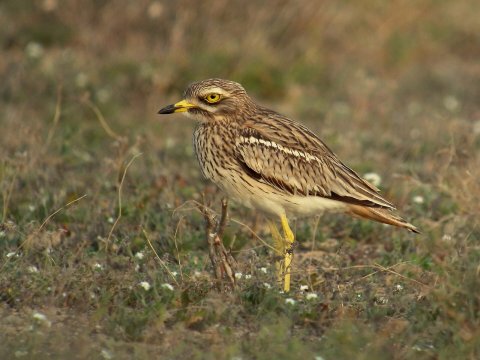
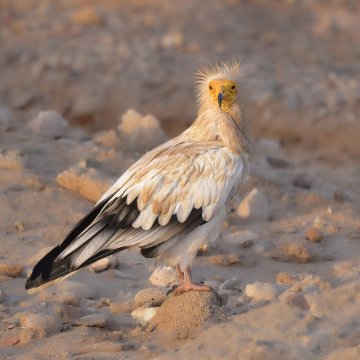
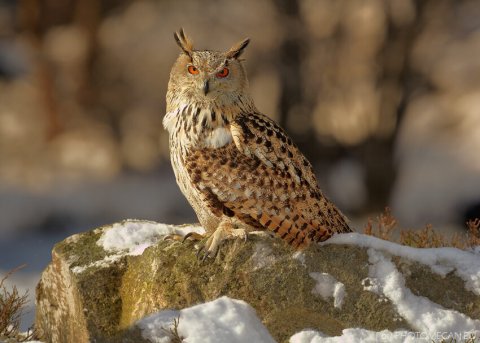
A semi-desert landscape unique in Europe, a UNESCO Biosphere Reserve and Special Protection Area for birds. Kingdom of steppe birds (pin-tailed sandgrouse, black-bellied sandgrouse, little bustard, stone-curlew) and of birds of prey such as the Egyptian vulture, the eagle-owl and the golden eagle.
Laguna de Pitillas
📅 Best time: autumn, spring and winter
The largest endorheic wetland in Navarre and a key stop on the western Pyrenees migration route. Highlights include the bittern, the bearded reedling, the purple heron and, in winter, cranes.
Laguna de Dos Reinos
📅 Carcastillo · best time: all year, especially February to November
A small wetland next to the Bardenas, with bitterns, little bitterns, purple and grey herons, mallards and marsh harriers. In winter there are ducks, and lately flocks of cranes pass through too.
🗺️ More information
Summary based on the birdwatching guide by Ribera de Navarra Tourism (turismoriberanavarra.com) and the Birding Basque Country article on Bardenas, Pitillas and Dos Reinos, consulted in September 2026.
📷 Photo credits (Wikimedia Commons)
- White stork — Dcabrilo · CC BY-SA 3.0
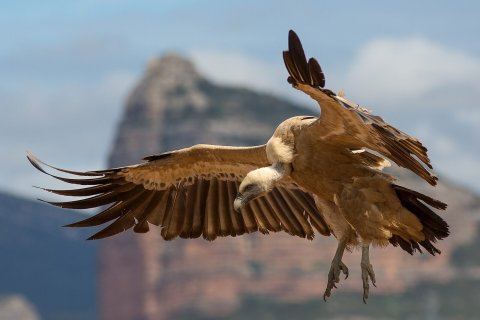
- Griffon vulture — Pierre Dalous · CC BY-SA 3.0
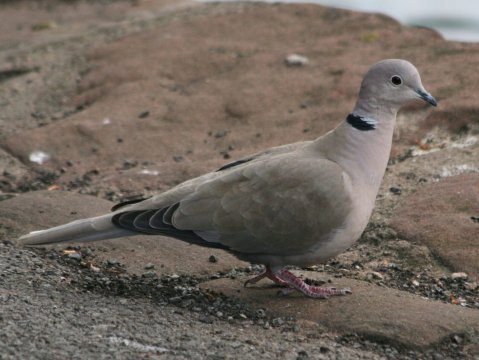
- Eurasian collared dove — DickDaniels · CC BY-SA 3.0
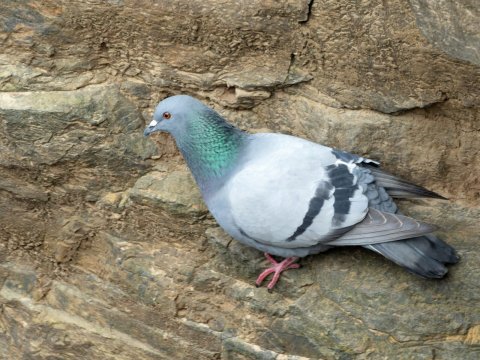
- Rock dove — william_stephens · CC BY 4.0
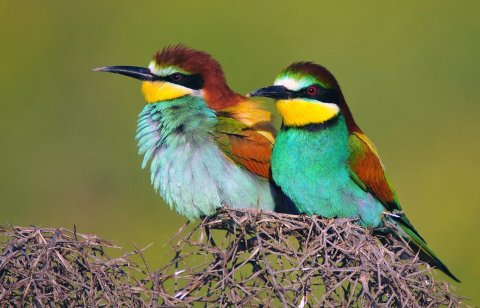
- European bee-eater — Dûrzan cîrano · CC BY-SA 3.0
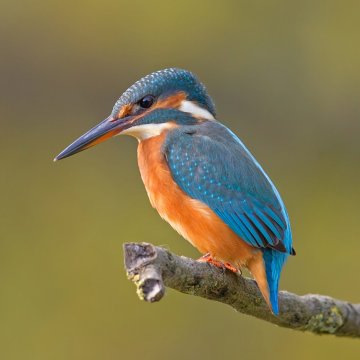
- Common kingfisher — Andreas Trepte · CC BY-SA 2.5
- Grey heron — JJ Harrison · CC BY-SA 3.0
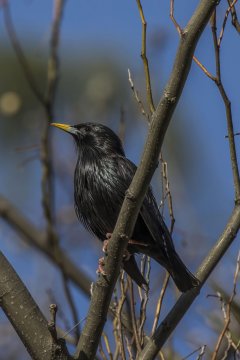
- Spotless starling — Charles J. Sharp · CC BY-SA 4.0
- Common raven — Fernando Losada Rodríguez · CC BY-SA 4.0
- Barn swallow — Malene Thyssen · CC BY 2.5
- Common house martin — Andreas Trepte · CC BY-SA 2.5
- Eurasian crag martin — ferran pestaña · CC BY-SA 2.0
- Common swift — pau.artigas · CC BY-SA 2.0
- Long-tailed tit — Andreas Trepte · CC BY-SA 2.5
- European greenfinch — Martin Kunz · CC BY 4.0
- Golden eagle — Jarkko Järvinen · CC BY-SA 2.0
- Red kite — Noel Reynolds · CC BY 2.0
- Egyptian vulture — Rod Waddington · CC BY-SA 4.0
- Eurasian eagle-owl — Martin Mecnarowski · CC BY-SA 3.0
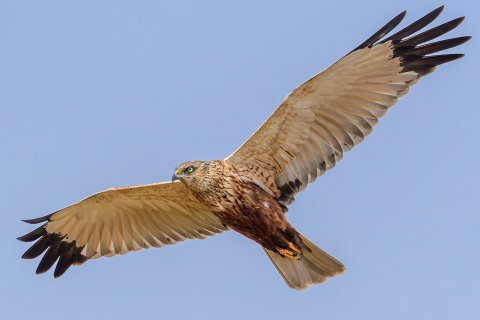
- Western marsh harrier — Stephan Sprinz · CC BY 4.0
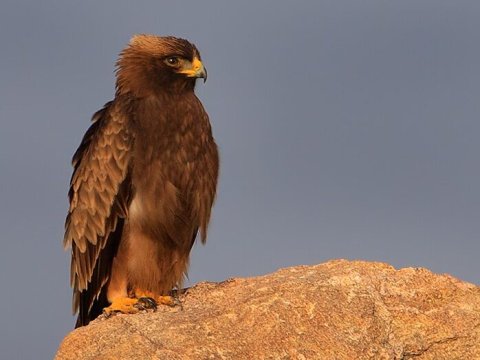
- Booted eagle — Subramanya C K · CC BY-SA 3.0
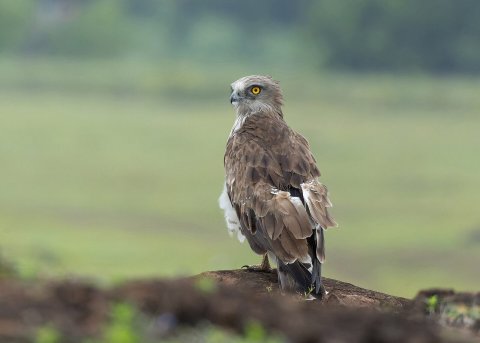
- Short-toed snake eagle — Tisha Mukherjee · CC BY-SA 4.0
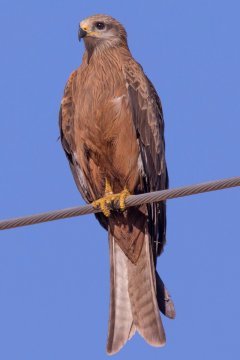
- Black kite — Andreas Trepte · CC BY-SA 4.0
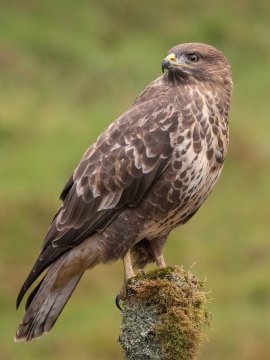
- Common buzzard — caroline legg · CC BY 2.0
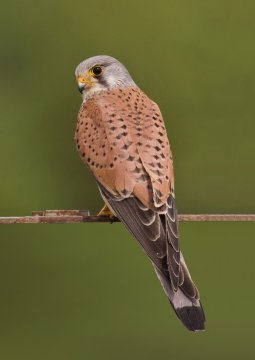
- Common kestrel — Andreas Trepte · CC BY-SA 2.5
- Eurasian hoopoe — Greg Schechter from San Francisco, USA · CC BY 2.0
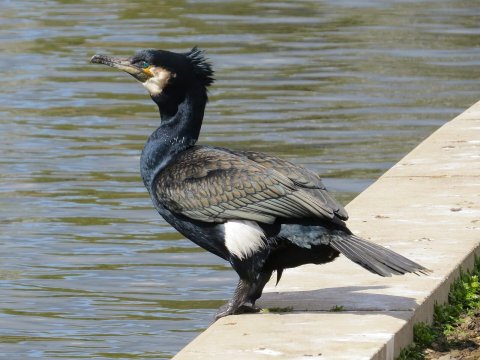
- Great cormorant — MPF · CC BY-SA 4.0
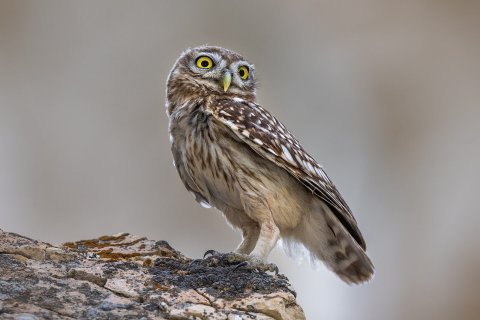
- Little owl — Максат79 · CC BY-SA 4.0
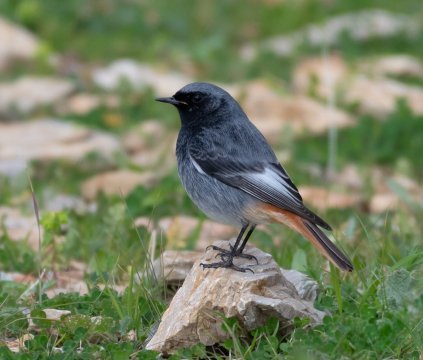
- Black redstart — El Golli Mohamed · CC BY-SA 4.0
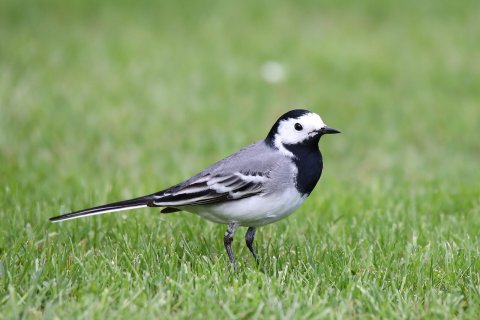
- White wagtail — Jac. Janssen from BAARLO LB, NL · CC BY 2.0
- Eurasian tree sparrow — Laitche · Public domain
- House sparrow — Rhododendrites · CC BY-SA 4.0
- Common nightingale — Warrieboy · CC BY-SA 4.0
- Cetti's warbler — Mark S Jobling · CC BY 3.0
- Great tit — Frank Vassen from Brussels, Belgium · CC BY 2.0
- Eurasian blue tit — Francis Franklin · CC BY-SA 3.0
- Short-toed treecreeper — Charles J. Sharp · CC BY-SA 4.0
- Blue rock thrush — jose maria carretero palacios from jerez de los caballeros, españa · CC BY 2.0
- Black wheatear — El Golli Mohamed · CC BY-SA 4.0
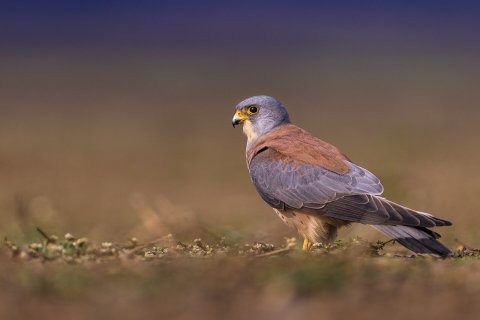
- Lesser kestrel — Sumeet Moghe · CC BY-SA 4.0
- European goldfinch — Giles Laurent · CC BY-SA 4.0
- Common linnet — Joe Pell · CC BY 2.0
- Calandra lark — Bouke ten Cate · CC BY 4.0
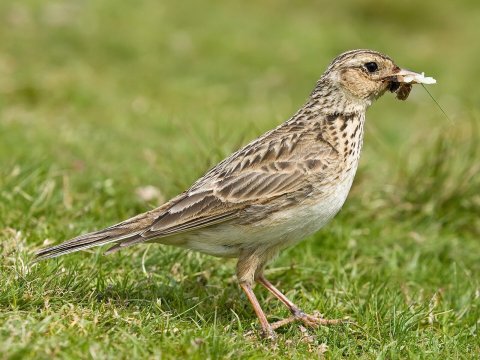
- Eurasian skylark — User:Diliff · CC BY-SA 3.0
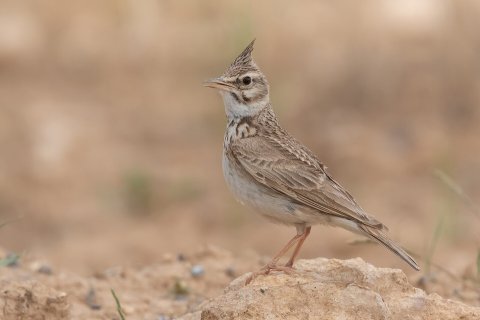
- Crested lark — El Golli Mohamed · CC BY-SA 4.0
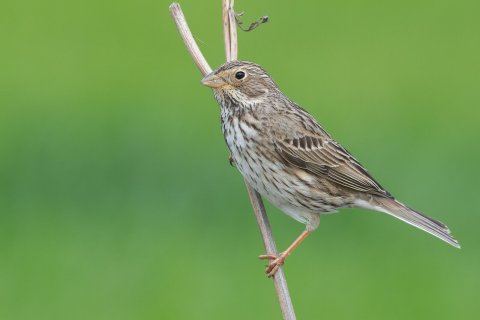
- Corn bunting — El Golli Mohamed · CC BY-SA 4.0
- Eurasian stone-curlew — Frank Vassen from Brussels, Belgium · CC BY 2.0